

Eulaurin
Monolaurin, also known as dodecylmonoglycerid, is esterified by lauric acid and glycerol under certain conditions. GML is naturally found in milk, palmetto and coconut oil....
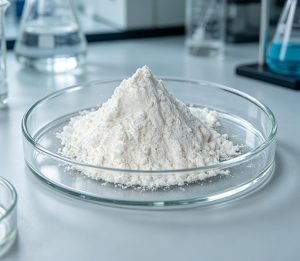
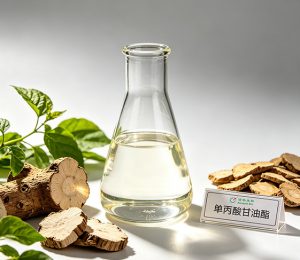
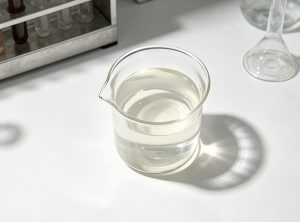
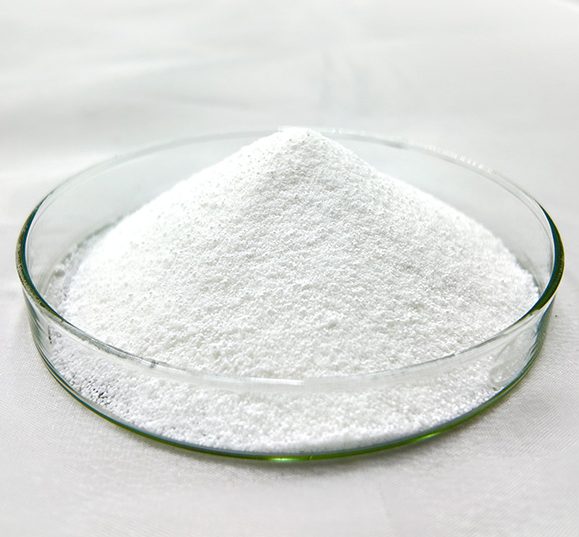
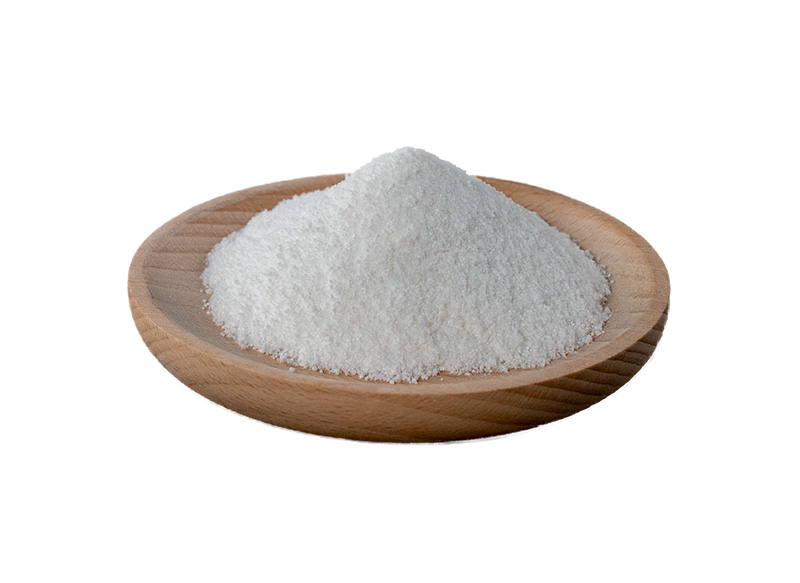
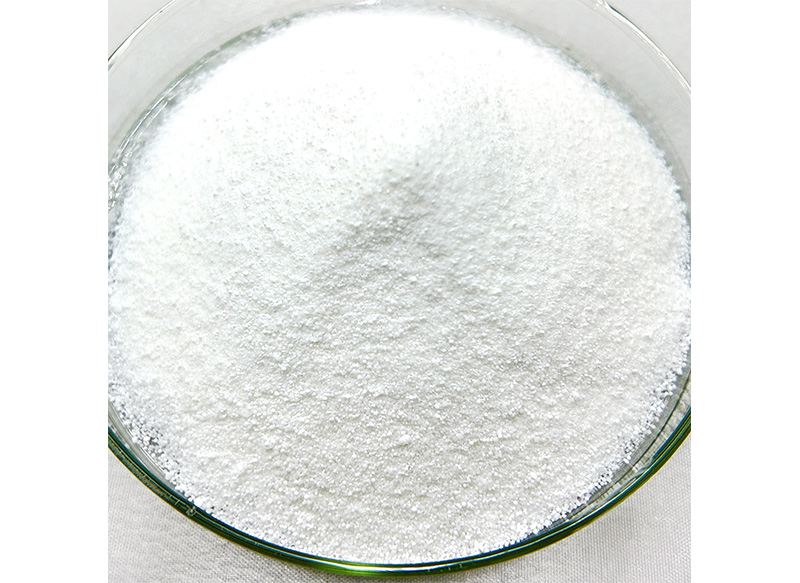
Monolaurin, also known as dodecylmonoglycerid, is esterified by lauric acid and glycerol under certain conditions. GML is naturally found in milk, palmetto and coconut oil. It is usually oily, scaly or granular, color white or light yellow. GML has many functions such as antibacterial, antifungal, and improving disease resistance, survival rate , oil utilization rate and growth performance of animals.
Product Safety
In 1977, GML was approved as GRAS additive by the U.S. Food and drug administration, with LD50 > 25g / kg.
GML bacteriostatic spectrum
| Bacteria | classification | The oxygen resistance | MBC/ug/mL |
| Staphylococcus aureus | G+ | aerobiotic | 300 |
| Streptococcus pyogenes | G+ | facultative anaerobe | 30 |
| Streptococcus agalactiae | G+ | facultative anaerobe | 30 |
| Streptococcus A Group Injection | G+ | facultative anaerobe | 45 |
| Streptococcus C Group Injection | G+ | facultative anaerobe | 30 |
| Streptococcus F Group Injection | G+ | facultative anaerobe | 20 |
| Streptococcus G Group Injection | G+ | facultative anaerobe | 50 |
| Corynebacterium | G+ | facultative anaerobe | 45 |
| Streptococcus suis | G+ | facultative anaerobe | 50 |
| Hemolytic streptococcus | G+ | facultative anaerobe | 50 |
| Streptococcuspneumoniae(IIII) | G+ | facultative anaerobe | 10 |
| Diplococcus pneumoniae | G+ | facultative anaerobe | 10 |
| Enterococcus faecalis | G+ | facultative anaerobe | 100 |
| Listeria monocytogenes | G+ | aerobiotic | 50 |
| Bacillus anthraci | G+ | aerobiotic | 50 |
| Bacillus cereus | G+ | aerobiotic | 50 |
| Bacillus subtilis | G+ | aerobiotic | 50 |
| Mycobacterium terrestrial | G+ | aerobiotic | 250 |
| Micrococcus | G+ | aerobiotic | 9 |
| Peptostreptococcus | G+ | anaerobion | 1 |
| Clostridium perfringens | G+ | anaerobion | 1 |
| Aspergillus niger | G+ | aerobiotic | 137 |
| Bacteria | classification | The oxygen resistance | MBC/ug/mL |
| Neisseria gonorrhoeae | G- | aerobiotic | 20 |
| Haemophilus influenzae | G- | aerobiotic | 20 |
| Gardnerella vaginalis | G- | aerobiotic | 10 |
| Campylobacter jejuni | G- | aerobiotic | 1 |
| Bordetella bronchitis | G- | aerobiotic | 1 |
| Pseudomonas aeruginosa | G- | aerobiotic | insensitive |
| Burkella onion | G- | aerobiotic | 500 |
| Pasteurella multocida | G- | aerobiotic | 500 |
| Prevotella melaninogenicus | G- | aerobiotic | 50 |
| Bacteroides fragilis | G- | aerobiotic | 50 |
| Fusobacterium | G- | aerobiotic | 50 |
| Escherichia coli | G- | aerobiotic | insensitive |
| Salmonella minnesota | G- | aerobiotic | insensitive |
| Enterobacter aerogenes | G- | aerobiotic | insensitive |
| Proteusbacillus vulgaris | G- | aerobiotic | insensitive |
| Shigella sonnei | G- | aerobiotic | insensitive |
| Klebsiella pneumoniae | G- | aerobiotic | insensitive |
| Helicobacter Pylori | G- | microaerobion | 63 |
| Mycobacterium | acid-resisting | aerobiotic | 100 |
| Mycobacterium tuberculosis | acid-resisting | aerobiotic | 100 |
| Mycoplasma hominis | Cell wall defect | aerobiotic | 1 |
| Nocardia asteroide | actinomycetes | aerobiotic | 9 |
| Candida albicans | saccharomycetes | aerobiotic | 250 |
Antibacterial effectof Monolaurin
Antibacterial effect ofMonolaurin on Clostridiumperfringens
Antibacterial effect of Monolaurin on Vibrio
| Conclusion: when theconcentration ofmonolaurin is 3.2ug/ml, ithas a strong antibacterialeffect on Vibrioparahaemolyticus andClostridium perfringens. | Monolaurin Concentration | Inhibitory zone Diameter (IZ D) | |
| Vibrio parahaemolyticus | Clostridium perfringens | ||
| 12.8 ug/mL | 25 | 22 | |
| 6.4 ug/mL | 23.5 | 21.5 | |
| 3.2 ug/mL | 21.5 | 17 | |
| 1.6 ug/mL | 17.5 | – | |
Antibacterial mechanism of GML
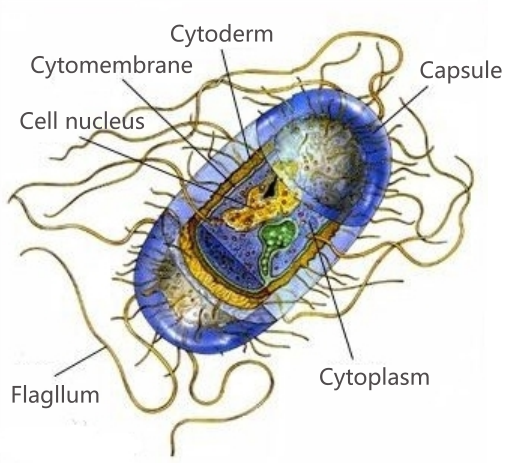
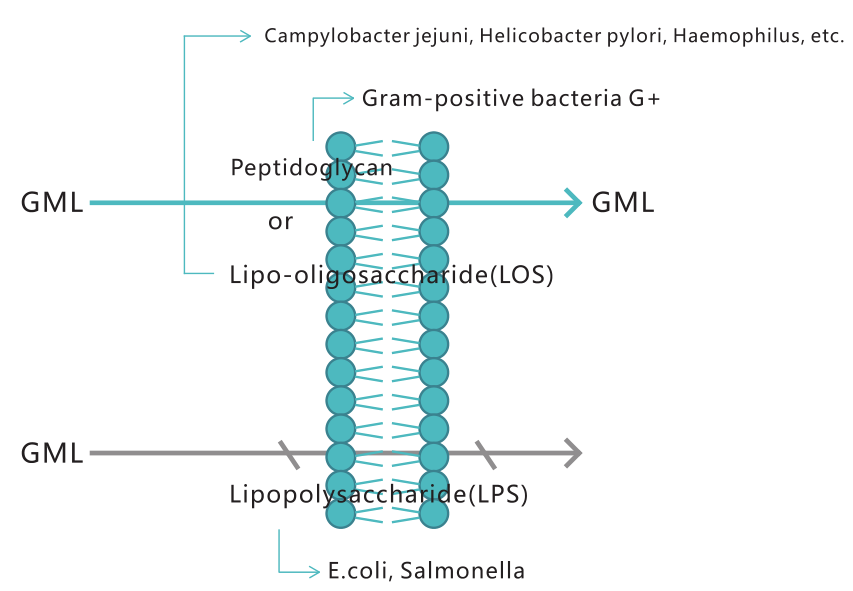
GML can easily pass through most ofthe cell walls of G+ bacteria (mainlycomposed of peptidoglycan) and some cellwalls of G- bacteria (mainly composed ofLOS), so it has a good antibacterial effect onthese bacterias. But for the bacteriaswith cell wall of lipopolysaccharide such asE. coli and Salmonella, Monolaurin has apoor antibacterial effect on them.
GML antiviral mechanism
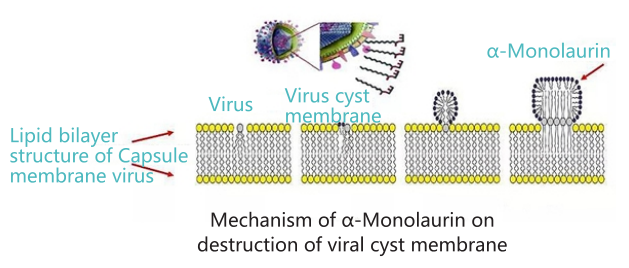
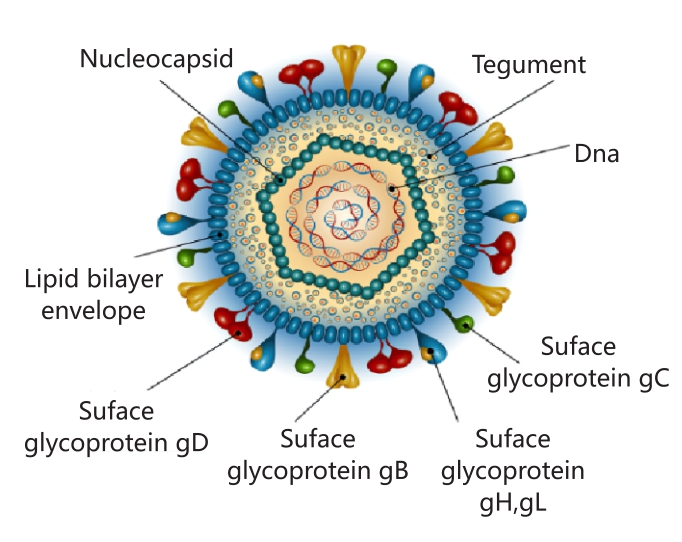
The antiviral mechanism of monolaurin isthat it can be inserted into the envelope ofthe virus, and lauric acid can cause leakage ofthe membrane protein of the virus, and theseeffects can lead to a decrease or loss of theability of the virus to replicate.
Common porcine pathogenic envelope virus
- PRRSV
- Epidemic diarrhea virus
- Infectious gastroenteritis virus
- Cytomegalo virus
- Swine fever virus
- Pseudorabies virus
- JE virus
- Influenza virus
Efficacy
Increase diseaseresistance: effectively helpthe body to resist avariety of commonharmful bacteria andenvelope viruses.
Improve intestinal health:effectively regulate theintestinal microecologicalenvironment andenhance the intestinal mucosal barrier function.
Growth promotion:improve animal growthperformance, and animaldisease resistance, reduceanimal mortality.
Productuse effect
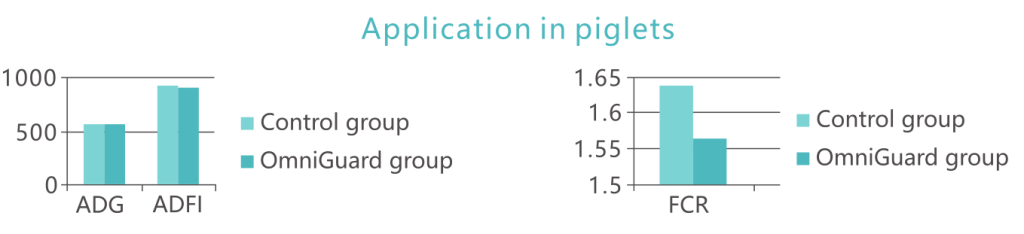
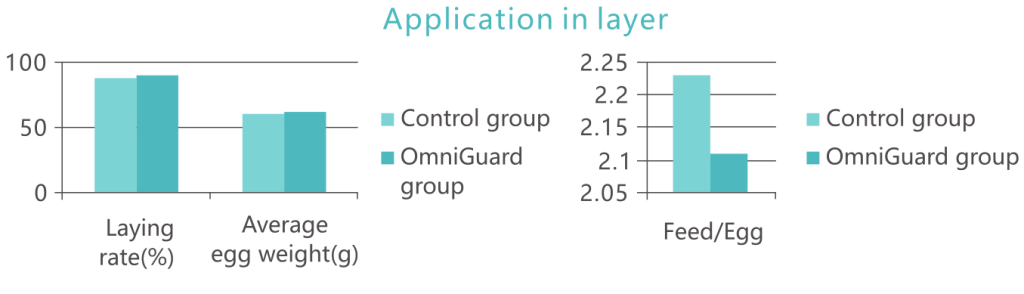
Dosage
Dosage(g/MT of feed)
| Feeding animals | GML650 α-mono lau rin≥60% | GML900 α-mono lau rin≥85% |
| Poultry | 150-400 | 100-300 |
| Piglets | 250-400 | 200-300 |
| Growing-finishing pig | 250 | 200 |
| Sow | 250-400 | 200-300 |
| Aquaculture | 150-400 | 100-300 |
| Other | 150-400 | 100-300 |
Suggestion: if you need to prevent virus, increase the dosage by 10 times.
Storage: well-ventilated and dry
Shelf life: 24 months